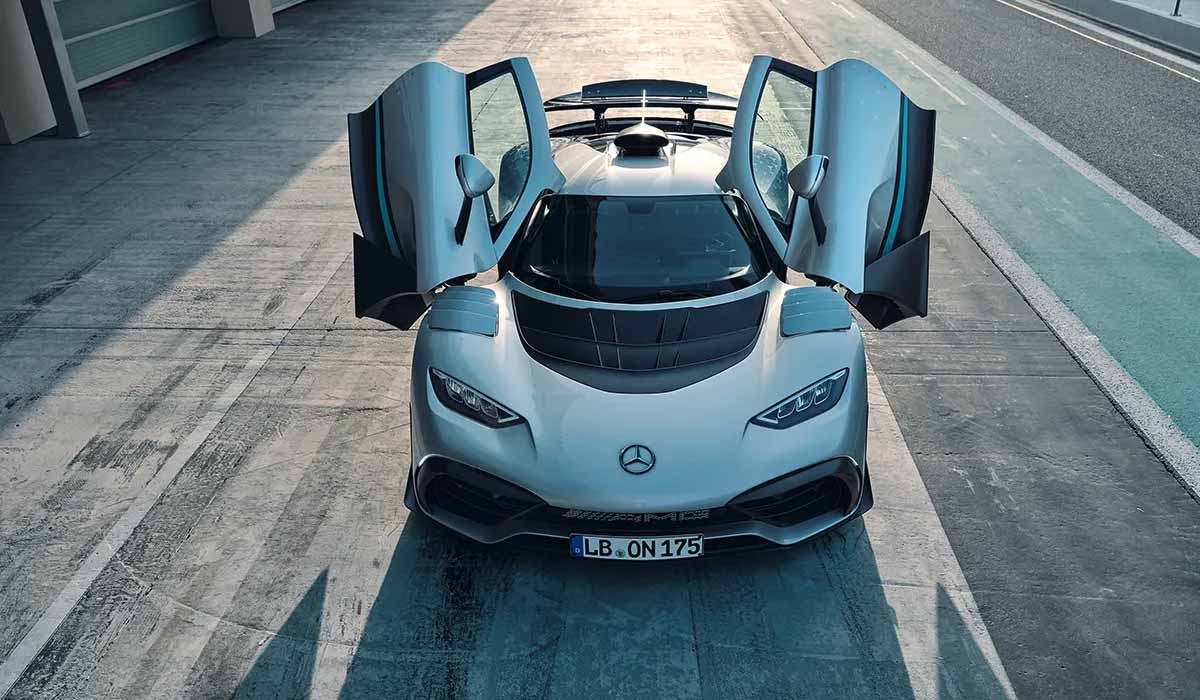
Sliding behind the wheel of a prestigious vehicle feels like the ultimate reward for hard work, yet the glossy dealership experience hides a much steeper reality.
<
Whether commissioned as a one-of-one modern sculpture or acquired as a priceless racing relic, these extraordinary machines prove that when budget ceases to exist, the automobile becomes pure art.
The Silent Drain of Rapid Depreciation
Most buyers focus entirely on the monthly payment without realizing how fast a high-end badge loses its market value. A brand-new luxury vehicle typically sheds up to twenty percent of its value the moment it leaves the showroom floor. Within five years, that same car can lose sixty percent of its original sticker price.
This dramatic drop happens because wealthy buyers constantly chase the newest technology and latest body styles. Nobody wants a five-year-old infotainment system when newer models offer cutting-edge screens and autonomous driving features. Consequently, second-hand demand shrinks rapidly, leaving original owners absorbing massive financial losses.
Even worse, luxury cars suffer from extreme mileage sensitivity compared to mainstream commuter vehicles. While a standard sedan with sixty thousand miles is considered barely broken in, a luxury car with the same odometer reading is viewed with deep suspicion. Potential buyers fear impending mechanical failures, driving resale values down even further.
Routine Maintenance Comes With a Markup
Taking a flagship sedan in for basic service often triggers genuine sticker shock. Simple oil changes routinely cost two or three times more than they would on an everyday vehicle due to specialized synthetic fluids and complex engine layouts. Dealership service departments also charge premium hourly labor rates for certified technicians.
Wear-and-tear items present another unexpected financial hurdle. High-performance models use oversized brake rotors and specialized low-profile tires that wear down quickly under normal driving conditions. Replacing a full set of run-flat tires or ceramic brakes can easily cost several thousand dollars at once.
Even minor cosmetic damage turns into a major expense. Modern windshields house intricate rain sensors, cameras, and heads-up display projectors. A simple rock chip that requires glass replacement can run four times higher than a standard repair.
Read Also: What’s Really Happening in the Auto Industry Right Now
The Daily Cost of Feeding the Beast
Beyond the service bay, everyday operating expenses quietly chip away at your monthly budget. Nearly all turbocharged and high-compression luxury engines demand high-octane premium fuel to prevent knocking and maintain performance. Paying an extra sixty to eighty cents per gallon adds hundreds of dollars to your annual fuel bill.
Auto insurance providers also penalize drivers for choosing upscale badges. Because replacement parts are expensive and often imported, insurers charge significantly higher premiums to cover potential collision claims. High-end vehicles are also prime targets for organized theft, pushing comprehensive coverage rates even higher.
The Stress of Constant Vigilance
Owning an expensive machine often trades peace of mind for constant low-level anxiety. Every crowded parking lot becomes a minefield of potential door dings, shopping carts, and careless drivers. Instead of enjoying a quick errand, you find yourself parking half a mile away from the store entrance.
Curbs and potholes transform from minor road nuisances into expensive threats. Scraping a custom alloy wheel or cracking a carbon-fiber front splitter ruins an entire afternoon. Many owners quickly discover that protecting their prized possession feels less like freedom and more like a second job.