The global car market is experiencing massive behind-the-scenes shifts this week as legacy brands and aggressive newcomers.
Quietly rewrite the rules of what you will drive next. By focusing on total ownership costs, tracking inventory trends, and understanding where manufacturers are placing their bets, you can easily find outstanding value in today’s shifting car market.
Hybrids Quietly Become the Real Priority
Despite years of bold promises about an all-electric future, major automakers are pouring billions of dollars back into gas-electric hybrids. Honda just announced a massive three-billion-dollar investment to build a brand-new auto plant in Central Ohio dedicated to boosting hybrid production. The company is also retooling existing factories in Alabama and Ohio to manufacture new V6 hybrid engines for North American drivers.
This sudden pivot proves that consumer hesitation around charging infrastructure and high electric vehicle prices is forcing executives to rethink their timelines. Toyota also saw its stock surge after raising profit forecasts on the back of booming hybrid demand across key markets. Rather than abandoning combustion engines entirely, manufacturers are leaning heavily on hybrid technology to protect their profit margins right now.
For everyday car buyers, this means more hybrid choices on dealership lots over the next few years and fewer forced transitions into fully electric models. Companies know that shoppers want fuel efficiency without range anxiety, and they are finally building factories to match that reality.
Luxury Brands Face Severe Financial Pressure
While hybrid specialists celebrate strong profits, traditional European luxury automakers are scrambling to contain mounting financial losses. BMW recently slashed its automotive margin forecast for the second time this year as weak demand in China and expensive restructuring efforts eat into earnings. Mercedes also quietly postponed plans to build its popular GLC model in the United States until 2030 to avoid costly factory retooling.
Meanwhile, Stellantis has set up eighty internal quality war rooms using artificial intelligence to detect defects and cut hundreds of millions in quarterly expenses. Even though executives insist no brands are up for sale, widespread vehicle recalls and fierce price wars are squeezing traditional automakers from every direction.
Drivers shopping in the premium segment should pay close attention to these corporate struggles. Automakers under severe financial stress often pass costs along through higher sticker prices, stricter financing terms, or reduced standard equipment on new models.
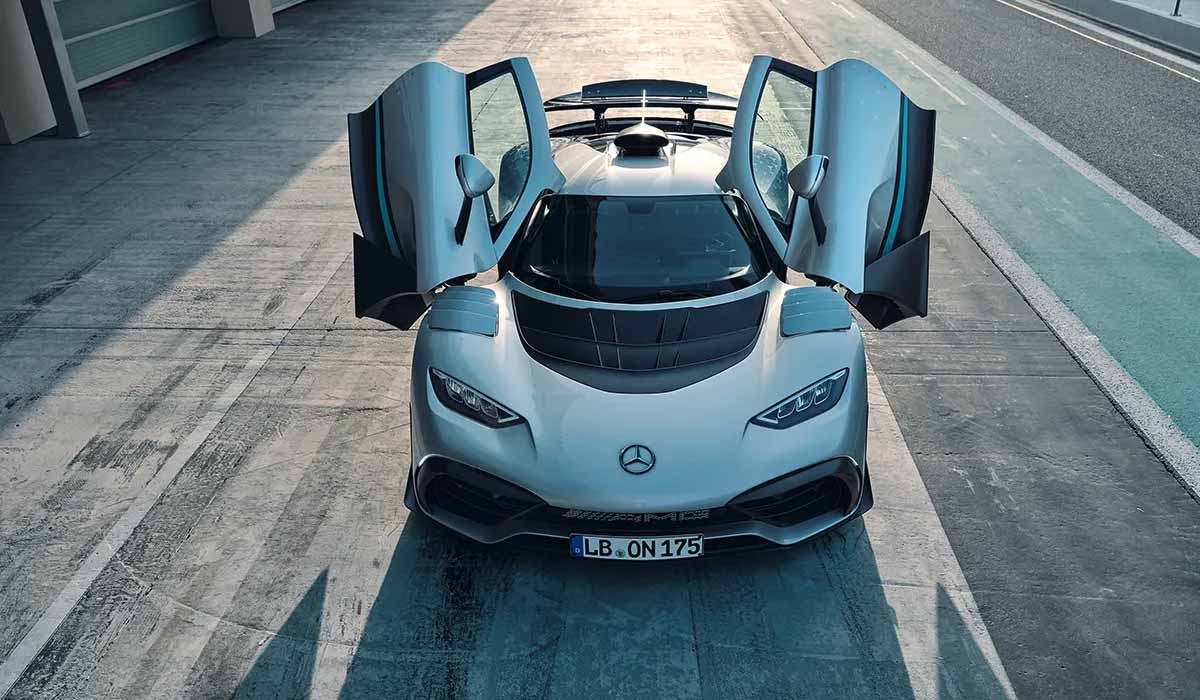
Read Also: Drive Like a Champion: The Untold Power of Mercedes-AMG One
Chinese Automakers Break Speed and Legal Boundaries
Chinese car brands are no longer content with simply competing on budget pricing and are now challenging the world on extreme performance and legal fronts. BYD just shattered the production-car top-speed record with its Yangwang U9 Xtreme hypercar reaching an astonishing 503 kilometers per hour. At the exact same time, Land Rover has reportedly filed a lawsuit against BYD over copycat design claims, proving how fiercely established brands are fighting to protect their turf.
Beyond courtroom battles and speed records, Chinese manufacturers are rapidly expanding across Southeast Asia and Europe with affordable electric models. In a surprising twist, some industry leaders are even questioning long-held industry norms, with Chery leadership recently suggesting that five-star safety ratings are not essential for every family SUV.
Shoppers tempted by flashy technology and aggressive pricing from emerging brands need to look past the spec sheets. Evaluating long-term parts availability, local service networks, and independent crash test results is more critical than ever before signing a purchase agreement.
Unexpected Icons Make Shocking Comebacks
Automakers are dusting off beloved badges and unconventional vehicle classes to capture attention in an increasingly crowded marketplace. Nissan confirmed that the legendary Patrol nameplate is returning to America after nearly six decades away, debuting as a rugged flagship off-roader priced over eighty thousand dollars. At the opposite end of the size spectrum, Toyota plans to build and sell tiny Japanese kei-class utility trucks in the United States at its Indiana factory.
Bringing back heritage names and miniature work trucks shows that car companies are desperate to spark emotional excitement among buyers. However, special editions and niche imports often come with strict buyer rules, limited production runs, and hefty dealer markups.
Whether you crave an oversized off-road legend or a pint-sized city hauler, patience will save you thousands of dollars. Early adopters always pay a steep premium when nostalgic models first hit showroom floors.